Manuel R. Aragon Is Playing the Long Game: A New Vision for Business, Faith, and Generational Wealth
Building Generational Wealth Through Faith, Strategic Decisions, and Sustainable Business Growth
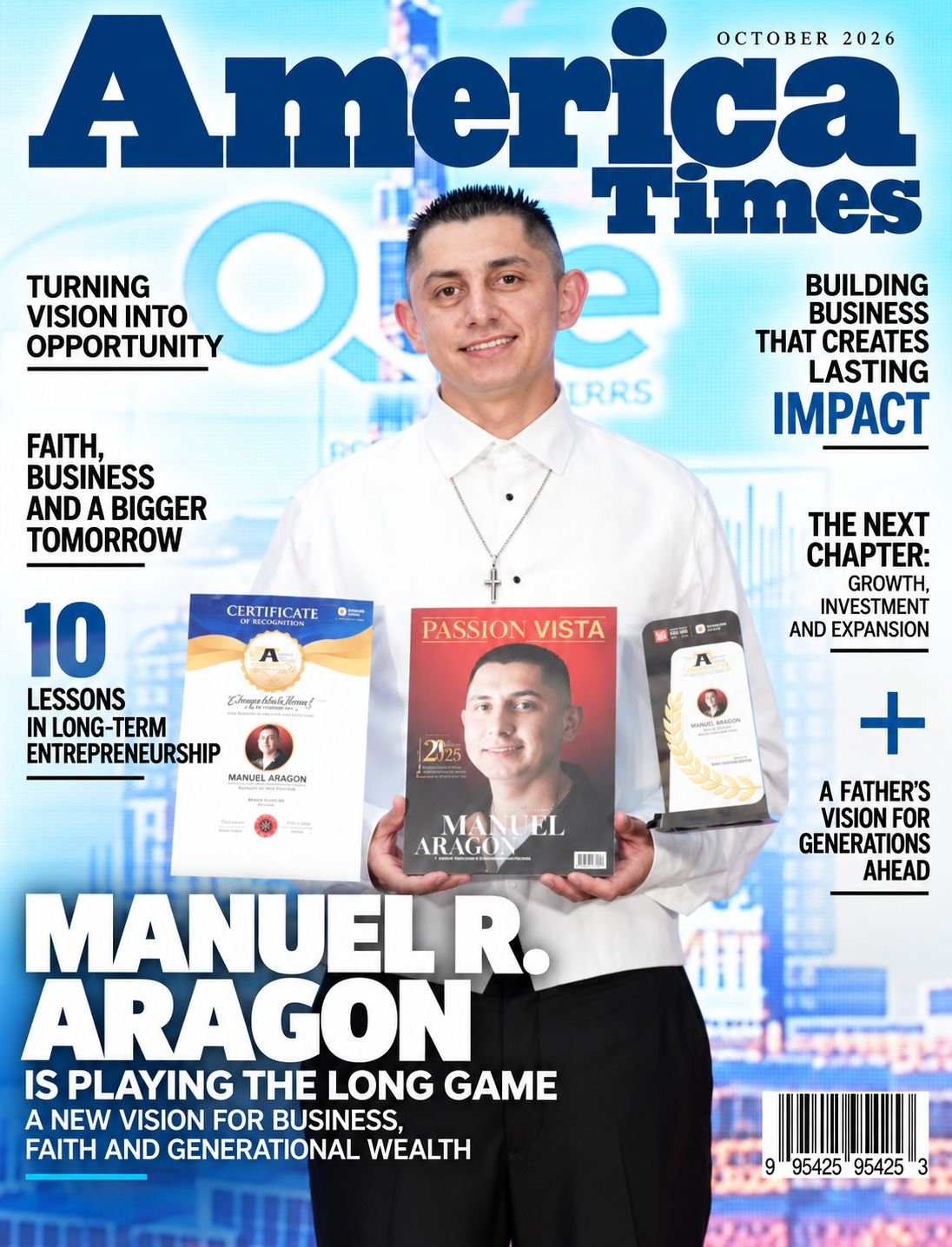
The defining moments of an entrepreneur’s life rarely arrive with a clear set of instructions. They emerge in the uncomfortable space between what has been built and what could exist next, when familiar strategies lose their effectiveness and the future demands a different kind of courage. For Manuel R. Aragon, the question is no longer simply how to keep building. It is how to recognize the right opportunity, make room for a larger ambition, and turn a personal vision into a business proposition that others can believe in.
There is a particular kind of strength in reaching a crossroads and refusing to mistake movement for progress. Entrepreneurs are conditioned to push through resistance, defend their decisions, and keep their original plans alive. Yet experienced leadership requires a more sophisticated instinct: knowing when commitment is creating value and when it is preventing something better from taking shape.
Aragon’s next chapter is about developing that instinct into a strategy.
As the entrepreneur behind Aragon Tax Return Services, he operates in an industry where trust, precision, and long-term relationships matter. Financial services offer a practical starting point for a much bigger conversation about business growth. Individuals and companies need more than someone to complete a transaction; they need dependable expertise, a clearer understanding of their financial position, and the confidence to make decisions that support their ambitions.
The opportunity is to build on that need. A business with a strong service foundation can explore new client segments, develop strategic partnerships, strengthen its market presence, and create more systematic ways to generate revenue. Expansion, however, cannot rest on ambition alone. It requires a clear understanding of what customers value, where demand exists, and which investments are most likely to produce sustainable returns.
This is where Aragon’s crossroads becomes commercially significant.
Knowing when to fold is a business skill, not a surrender. An entrepreneur can spend years protecting an existing plan because abandoning it feels like admitting defeat. But capital has an opportunity cost, and every commitment competes with another possibility. The willingness to reconsider an investment, exit an unproductive direction, or restructure a business model can preserve the resources needed for a stronger opportunity.
The objective is not to become less persistent. It is to become more selective about what deserves persistence.
That distinction matters when the ambition is to build something substantially larger. A bigger vision may require Aragon to reconsider how he allocates his time, which relationships he prioritizes, how he approaches customer acquisition, and where outside capital could accelerate development. The strongest next move may involve expanding an existing operation, creating complementary services, or pursuing a carefully evaluated growth opportunity. Each possibility deserves to be measured against a clear commercial rationale rather than enthusiasm alone.
For potential investors and strategic partners, the central question is straightforward: what can this business become with the right resources, and why is this the right moment to pursue that opportunity?
Answering it requires a compelling plan. Capital must have a defined purpose, whether that involves hiring, marketing, technology, operational capacity, or entering new markets. Revenue targets must be grounded in realistic assumptions. Milestones should make progress visible, while financial projections should distinguish opportunity from certainty. Investment is most persuasive when a founder can explain not only the destination but also the decisions, discipline, and accountability required to reach it.
For Aragon, raising money could become part of a broader effort to turn entrepreneurial experience into scalable commercial growth. The ambition is to move beyond simply generating more business and toward building an operation capable of attracting sustained demand, developing valuable relationships, and creating opportunities that extend beyond the founder himself.
Yet the financial strategy is only one part of the story.
Faith, for Aragon, can be understood as the ability to keep moving without demanding that every answer arrive in advance. Business rarely offers complete certainty. Deals fall through, promising ideas encounter resistance, and carefully constructed plans sometimes require unexpected changes. In those moments, faith can provide a personal framework for navigating uncertainty while maintaining the discipline to make responsible decisions.

Obedience adds another dimension: the willingness to act according to one's principles even when the easier choice would be to follow fear, ego, or outside pressure. It is not an excuse to ignore financial realities. Rather, it can be a reason to approach them with honesty, patience, and a longer view of what success should mean.
That longer view is closely connected to fatherhood. For Aragon, the future he hopes to create carries implications beyond his own professional standing. His son, Xzander, represents a reminder that wealth and achievement acquire greater significance when they contribute to security, opportunity, and an example worth following. Generational progress is not produced by ambition in isolation; it is built through decisions that compound over time.
The next stage will demand that Aragon connect these personal convictions with measurable business outcomes. A strong vision must become an executable plan, and a compelling investment opportunity must be supported by evidence, transparent financial assumptions, and a credible path to growth.
The entrepreneur who emerges from this crossroads will not necessarily be the one who pursues every available opportunity. He will be the one who understands which opportunities deserve his resources, which commitments have run their course, and which partnerships could help transform a promising idea into a lasting enterprise.
Manuel R. Aragon is looking beyond the immediate demands of business ownership toward the possibilities of building at a greater scale. The ambition is meaningful. The challenge now is to give it structure, secure the right support, and turn conviction into results.
Because the long game is not won by refusing to change direction. It is won by knowing what must be protected, what must be released, and what is worth building next.
Instagram: @manuelaragon_aragontaxservices
 This Morning
This site is protected by reCAPTCHA and the Google Privacy Policy and Terms of Service apply.
PRIVACY POLICY